Writings โŽฏ ํ•œ๊ตญ์–ด / English / Deutsch

Photography / Instagram / About

chaelinjane

A growing archive of words and works.

Author: chaelinjane

  • Catching My Breath

    Catching My Breath

    “Why do you keep a diary?”

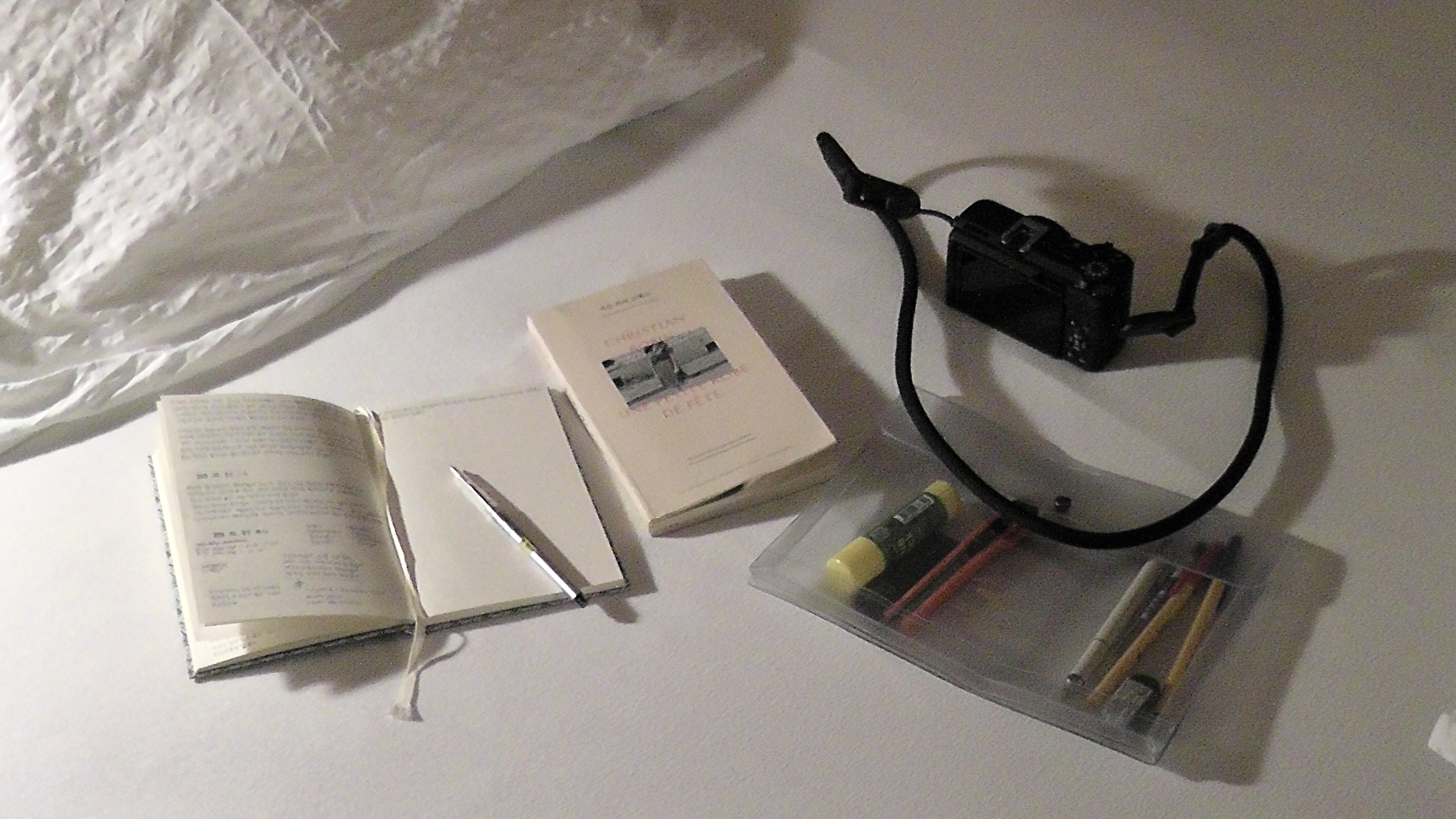
    It’s a question I’ve been asked countless times, perhaps because I carry a notebook with me wherever I go. For years, I never knew quite how to answer it. The question always felt strangely similar to asking, “Why do you breathe?” or “Why do you eat?”

    I’ve been filling notebooks for more than thirty years. Somewhere along the way, the years quietly accumulated, and keeping a diary became as instinctive as walking. It is no longer something I consciously choose to do. It’s simply part of how I move through life.

    My first diary was a picture diary, which I began when I was five years old. Back then, it was enough to write a few simple sentences about what I had done, where I had been, and who I had spent the day with, alongside clumsy little drawings. Each completed sketchbook brought with it a quiet sense of accomplishment.

    As the years passed, the drawings gradually gave way to words. Sketchbooks became notebooks, and once I was in school, each entry began with my schedule for the day.

    But the greatest change wasn’t the length of what I wrote. It was what I chose to record. At some point, I stopped writing only about what had happened and began writing about what had happened within me. There were days when a single page wasn’t enough to understand why I felt the way I did, or what had unsettled me so deeply.

    That was when my diaries began to grow longer.

    Around the age of twenty, I found myself asking more and more questions about life. How should I live? Why was I the way I was? Whenever those questions became too loud to ignore, I wandered the shelves of the library in search of books, hoping to find the wisdom I needed most at that moment.

    Every now and then, I would come across a sentence that felt like rain on parched ground. I couldn’t bear to leave it behind. I copied it into my diary, and beside it, I wrote down whatever thoughts it stirred in me. Little by little, my diary stopped being a record of the day and became a place where I could have a conversation with life itself. Each time I wrote, my breathing seemed to grow just a little deeper.

    Thoughts and emotions that were once too difficult to bring into the open gradually took shape on the page. They met the words I had gathered from books, mingled with my own reflections, and slowly became clearer. Whenever I poured them onto paper, I found myself left with just enough breath to carry me into another day.

    That is how my diary quietly became my oxygen mask. It never breathed for me. It simply helped me find my own breath again. If someone were to ask me why I have kept a diary for so many years, I think my answer would be simple. To keep breathing.

    Keeping a diary is a wild garden that asks for nothing more than a notebook and a pen. It is a place where things are free to grow as they will. Unexpected flowers bloom. Sometimes there is nothing but weeds. At other times, I find myself observing an unfamiliar insect that has wandered in from somewhere beyond the page. It has never needed to be perfect to become the place where I feel most at ease. And so I will keep wandering through that garden, slowly, preserving each passing moment along the way.

    *Reading in other languages:

    *Continue reading:

  • ์ˆจ์„ ๊ณ ๋ฅด๋Š” ์ผ

    ์ˆจ์„ ๊ณ ๋ฅด๋Š” ์ผ

    “์ผ๊ธฐ๋ฅผ ์™œ ์จ์š”?”

    ์–ด๋””๋ฅผ ๊ฐ€๋“  ์ผ๊ธฐ์žฅ์„ ์ฑ™๊ฒจ ๋‹ค๋‹ˆ๊ธฐ ๋•Œ๋ฌธ์— ์ด๋Ÿฐ ์งˆ๋ฌธ์„ ๋งŽ์ด ๋ฐ›์•˜๋‹ค. ์ฒ˜์Œ์—๋Š” ๊ณง๋ฐ”๋กœ ๋Œ€๋‹ต์„ ํ•  ์ˆ˜ ์—†์—ˆ๋‹ค. ์ด ์งˆ๋ฌธ์€ ๋‚˜์—๊ฒŒ ‘์ˆจ์€ ์™œ ์‰ฌ์–ด? ๋ฐฅ์€ ์™œ ๋จน์–ด?’ ํ•˜๊ณ  ๋ฌป๋Š” ๊ฒƒ๊ณผ ๋น„์Šทํ•˜๊ฒŒ ๋А๊ปด์กŒ๊ธฐ ๋•Œ๋ฌธ์ด๋‹ค. ๋‚˜๋Š” ์‚ผ์‹ญ ๋…„ ๋„˜๊ฒŒ ์ผ๊ธฐ์žฅ์„ ์ฑ„์›Œ ๊ฐ€๊ณ  ์žˆ๋‹ค. ์–ด๋А์ƒˆ ๊ธด ์„ธ์›”์ด ์Œ“์˜€๊ณ , ์ผ๊ธฐ ์“ฐ๊ธฐ๋Š” ๊ฑธ์Œ๊ฑธ์ด์ฒ˜๋Ÿผ ๋ฌด์˜์‹์ ์ธ ์˜ค๋žœ ์Šต๊ด€์ด ๋˜์—ˆ๋‹ค.

    ๋‹ค์„ฏ ์‚ด ๋•Œ ์ฒ˜์Œ ์“ด ์ผ๊ธฐ๋Š” ๊ทธ๋ฆผ ์ผ๊ธฐ์˜€๋‹ค. ๋ฌด์—‡์„ ํ–ˆ๋Š”์ง€, ์–ด๋””๋ฅผ ๊ฐ”๋Š”์ง€, ๋ˆ„๊ตฌ์™€ ๋†€์•˜๋Š”์ง€. ํ•˜๋ฃจ๋ฅผ ๋ช‡ ์ค„์˜ ๋ฌธ์žฅ๊ณผ ์„œํˆฐ ๊ทธ๋ฆผ์œผ๋กœ ๋‚จ๊ธฐ๋ฉด ๊ทธ๊ฑธ๋กœ ์ถฉ๋ถ„ํ–ˆ๋‹ค. ํ•œ ๊ถŒ์˜ ์Šค์ผ€์น˜๋ถ์ด ์ฑ„์›Œ์งˆ ๋•Œ๋งˆ๋‹ค ์ž‘์€ ์„ฑ์ทจ๊ฐ๋„ ๋А๊ผˆ๋‹ค. ์‹œ๊ฐ„์ด ํ๋ฅด์ž ๊ทธ๋ฆผ์€ ์ ์  ์ค„๊ณ  ๊ธ€์ด ๋งŽ์•„์กŒ๋‹ค. ์Šค์ผ€์น˜๋ถ์€ ๋…ธํŠธ๊ฐ€ ๋˜์—ˆ๊ณ , ํ•™์ƒ์ด ๋œ ๋’ค์—๋Š” ํ•˜๋ฃจ์˜ ์ผ์ •์ด ์–ธ์ œ๋‚˜ ์ผ๊ธฐ์˜ ์ฒซ๋จธ๋ฆฌ๋ฅผ ์ฐจ์ง€ํ–ˆ๋‹ค.

    ํ•˜์ง€๋งŒ ๊ฐ€์žฅ ํฐ ๋ณ€ํ™”๋Š” ๋ถ„๋Ÿ‰์ด ์•„๋‹ˆ๋ผ, ๊ธฐ๋กํ•˜๋Š” ๋Œ€์ƒ์ด์—ˆ๋‹ค. ์–ด๋А ์ˆœ๊ฐ„๋ถ€ํ„ฐ ๋‚˜๋Š” ํ•˜๋ฃจ์— ์žˆ์—ˆ๋˜ ์ผ๋ฟ๋งŒ ์•„๋‹ˆ๋ผ ๊ทธ ํ•˜๋ฃจ๋ฅผ ์ง€๋‚˜๋ฉฐ ๋งˆ์Œ์†์—์„œ ์ผ์–ด๋‚œ ์ผ์„ ์“ฐ๊ธฐ ์‹œ์ž‘ํ–ˆ๋‹ค. ์™œ ๊ทธ๋Ÿฐ ๊ธฐ๋ถ„์ด ๋“ค์—ˆ๋Š”์ง€, ๋ฌด์—‡์ด ๋‚˜๋ฅผ ํ”๋“ค์—ˆ๋Š”์ง€๋ฅผ ํŒŒ๊ณ  ๋“ค์–ด๊ฐ€๋ฉด ํ•œ ํŽ˜์ด์ง€๋กœ๋„ ๋ถ€์กฑํ•œ ๋‚ ์ด ์žˆ์—ˆ๋‹ค.

    ์ผ๊ธฐ๊ฐ€ ๊ธธ์–ด์ง€๊ธฐ ์‹œ์ž‘ํ•œ ๊ฒƒ์€ ๊ทธ๋•Œ๋ถ€ํ„ฐ์˜€๋‹ค.

    ์Šค๋ฌด ์‚ด ๋ฌด๋ ต๋ถ€ํ„ฐ๋Š” ์‚ถ์— ๋Œ€ํ•œ ์งˆ๋ฌธ์ด ๋งŽ์•„์กŒ๋‹ค. ์–ด๋–ป๊ฒŒ ์‚ด์•„์•ผ ํ•˜๋Š”์ง€, ์ง€๊ธˆ์˜ ๋‚˜๋Š” ์™œ ์ด๋Ÿฐ ์ƒํƒœ์ธ์ง€ ์ดํ•ดํ•˜๊ณ  ์‹ถ์„ ๋•Œ๋งˆ๋‹ค ๋„์„œ๊ด€์œผ๋กœ ํ–ฅํ–ˆ๋‹ค. ์ง€๊ธˆ์˜ ๋‚˜์—๊ฒŒ ๊ฐ€์žฅ ํ•„์š”ํ•œ ์ง€ํ˜œ๊ฐ€ ๋‹ด๊ฒจ ์žˆ๊ธฐ๋ฅผ ๋ฐ”๋ผ๋ฉฐ ์ฑ…์„ ์ฝ์—ˆ๊ณ , ์ฉ์ฉ ๊ฐˆ๋ผ์ง„ ๋•…์— ๋‚ด๋ฆฐ ๋‹จ๋น„ ๊ฐ™์€ ๋ฌธ์žฅ์„ ์ผ๊ธฐ์žฅ์œผ๋กœ ์˜ฎ๊ฒจ ์ ์—ˆ๋‹ค.

    ๊ทธ๋Ÿฐ ๋ฌธ์žฅ์„ ๋งŒ๋‚˜๋ฉด ๋„์ €ํžˆ ๊ทธ๋ƒฅ ์ง€๋‚˜์น  ์ˆ˜ ์—†์—ˆ๋‹ค. ์˜ฎ๊ธด ๋ฌธ์žฅ ๊ณ์—๋Š” ๋‚ด ์ƒ๊ฐ์ด ๋ง๋ถ™์—ฌ์กŒ๋‹ค. ํ•˜๋ฃจ์˜ ๊ธฐ๋ก์€ ์กฐ๊ธˆ์”ฉ, ์‚ถ๊ณผ ๋Œ€ํ™”ํ•˜๋Š” ๊ธฐ๋ก์œผ๋กœ ๋ฐ”๋€Œ์–ด ๊ฐ”๋‹ค. ๊ธ€๋กœ ์ ๊ณ  ๋‚˜๋ฉด ๋น„๋กœ์†Œ ์ˆจ์ด ์กฐ๊ธˆ ๊นŠ์–ด์ง€๋Š” ๊ธฐ๋ถ„์ด ๋“ค์—ˆ๋‹ค.

    ์‰ฝ๊ฒŒ ๋ฐ–์œผ๋กœ ๊บผ๋‚ผ ์ˆ˜ ์—†๋˜ ์ƒ๊ฐ๊ณผ ๊ฐ์ •์€ ์ข…์ด ์œ„์—์„œ ํ˜•ํƒœ๋ฅผ ๊ฐ–์ถ˜๋‹ค. ์ฑ…์—์„œ ๋งŒ๋‚œ ๋ฌธ์žฅ๊ณผ ๋ถ€๋”ชํžˆ๊ณ , ๋‚ด ์ƒ๊ฐ๊ณผ ๋’ค์„ž์ด๋ฉฐ ์กฐ๊ธˆ์”ฉ ๋ง‘์•„์ง„๋‹ค. ์Ÿ์•„๋‚ด๋“ฏ ์“ฐ๊ณ  ๋‚˜๋ฉด ๋˜ ๋‹ค๋ฅธ ํ•˜๋ฃจ๋ฅผ ์‚ด์•„๊ฐˆ ์ˆจ์ด ์—ฌ๋ฐฑ์ฒ˜๋Ÿผ ๋‚จ๋Š”๋‹ค. ๊ทธ๋ ‡๊ฒŒ ์ผ๊ธฐ๋Š” ์ž์—ฐ์Šค๋Ÿฝ๊ฒŒ ์‚ฐ์†Œํ˜ธํก๊ธฐ๊ฐ€ ๋˜์—ˆ๋‹ค.

    ์ˆจ์ด ๋ง‰ํž ๋•Œ๋งˆ๋‹ค ๋‚ด๊ฐ€ ๋‹ค์‹œ ์Šค์Šค๋กœ ์ˆจ์„ ์‰ด ์ˆ˜ ์žˆ๋„๋ก ๊ณ์—์„œ ํ˜ธํก์„ ๊ฐ€๋‹ค๋“ฌ๊ฒŒ ํ•ด์ฃผ๋Š” ์กด์žฌ. ๋ˆ„๊ตฐ๊ฐ€ ์™œ ๊ทธ๋ ‡๊ฒŒ ์˜ค๋ž˜ ์ผ๊ธฐ๋ฅผ ์“ฐ๊ณ  ์žˆ๋А๋ƒ๊ณ  ๋ฌป๋Š”๋‹ค๋ฉด, ๋‚˜๋Š” ์•„๋งˆ ์ด๋ ‡๊ฒŒ ๋‹ตํ•  ๊ฒƒ์ด๋‹ค. ๋‹ค๋งŒ ์˜จ์ „ํžˆ ์ˆจ์„ ์‰ฌ๋ฉฐ ์‚ด๊ธฐ ์œ„ํ•ด์„œ.

    ์ผ๊ธฐ ์“ฐ๊ธฐ๋Š” ์˜ค๋กœ์ง€ ๋…ธํŠธ์™€ ํŽœ๋งŒ ์žˆ์œผ๋ฉด ๋ˆ„๋ฆด ์ˆ˜ ์žˆ๋Š” ์•ผ์ƒ์˜ ์ •์›์ด๋‹ค. ์ œ๋ฉ‹๋Œ€๋กœ ์ž๋ผ๋‚˜๋Š” ํ’€๋‚˜๋ฌด๋“ค์ด ์˜คํžˆ๋ ค ์ž์—ฐ์Šค๋Ÿฌ์šด ๊ณณ. ์ฒ˜์Œ ๋ณด๋Š” ๊ฝƒ์ด ํ”ผ๊ธฐ๋„ ํ•˜๊ณ , ์žก์ดˆ๋งŒ ๋ฌด์„ฑํ•  ๋•Œ๊ฐ€ ์žˆ๋Š”๊ฐ€ ํ•˜๋ฉด, ์–ด๋””์„ ๊ฐ€ ๋‚˜ํƒ€๋‚œ ์ด๋ฆ„ ๋ชจ๋ฅผ ๋ฒŒ๋ ˆ๋ฅผ ๊ฐ€๋งŒํžˆ ์ง€์ผœ๋ณด๊ธฐ๋„ ํ•œ๋‹ค. ์™„๋ฒฝํ•˜์ง€ ์•Š์•„๋„ ๊ฐ€์žฅ ํŽธ์•ˆํ•œ ๊ณต๊ฐ„์ด๋‹ค. ๊ทธ๋ž˜์„œ ๋‚˜๋Š” ์•ž์œผ๋กœ๋„ ๊ทธ ์ •์›์„ ์ฒœ์ฒœํžˆ ๊ฑฐ๋‹๋ฉฐ ์ˆœ๊ฐ„์„ ๋‹ด์•„๋‚ด๋ ค๊ณ  ํ•œ๋‹ค.

    *๋‹ค๋ฅธ ์–ธ์–ด๋กœ ์ฝ๊ธฐ:

    *๋‹ค์Œ ๊ธ€:

  • Ein Paradies, das nicht verloren geht

    Ein Paradies, das nicht verloren geht

    Wo liegt unser Paradies? Es gab eine Zeit, in der ich glaube, meines lรคge in den Stunden, die ich mit einem anderen Menschen verbrachte.

    Dann verschwand dieser Mensch. Von einem Tag auf den anderen. Ohne ein Wort. Er verschwand nicht nur aus meinem Leben, sondern aus dem aller Menschen um ihn herum, als hรคtte er die Welt lautlos verlassen. Zuerst dachte ich, es mรผsse etwas Dringendes passiert sein. Drei Tage vergingen. Einen Monat spรคter fragte ich mich, ob ihm vielleicht ein Unfall zugestoรŸen war. Die Jahreszeiten wechselten, und ehe ich mich versah, war ein ganzes Jahr vergangen.

    Ich konnte nichts anderes tun, als mich ganz auf mein Studium zu konzentrieren. Irgendwann unterwegs hatte ich das Lรคcheln verlernt. Gegen Ende des Jahres fiel es mir selbst unter Menschen schwer, ganz selbstverstรคndlich zu lรคcheln.

    Fast zwei Jahre spรคter erfuhr ich schlieรŸlich, was aus ihm geworden war. Er war in eine andere Region gezogen und nahm an einem Programm teil, das der Suche nach dem eigenen Weg gewidmet war. Offenbar hatte auch er versucht, einen Weg durch die Ungewissheit der Zukunft zu finden โŽฏ war gestolpert, hatte gezweifelt und war schlieรŸlich auf seine eigene Weise weitergegangen.

    Von einem Tag auf den anderen zu verschwinden. Es war die unmittelbarste Form von Zurรผckweisung und Verlust, die ich je erlebt hatte. Ein Nebel ohne erkennbaren Ursprung und ohne sichtbaren Horizont. Ich konnte weder erkennen, woher er kam, noch wohin er fรผhrte. So verzweifelt ich auch versuchte, ihn zu vertreiben. Er lichtete sich nicht. Mir bleib nichts anderes รผbrig, als auszuharren.

    Als Einzelkind begann ich, die Zeit, die ich mit einem Menschen auรŸerhalb meiner Familie verbrachte, als eine Art Paradies zu begreifen. Ehe ich mich versah, bedeutete das Zusammensein mehr, als es hรคtte sollen. Doch als dieser Mensch verschwand, verschwand auch das Paradies, das ich so sorgfรคltig aufgebaut hatte. In diesem Moment wurde mir klar, dass ein Paradies nichts sein konnte, was ich auรŸerhalb meiner selbst suchte. Es musste etwas sein, das in mir selbst entstand. So begann Private Paradise.

    Im Alltag gibt es immer wieder Momente, in denen wir ganz in etwas versinken und die Wirklichkeit fรผr einen Augenblick hinter uns lassen. Fรผr mich wurden das Schreiben und die Fotografie zu einem Weg zurรผck zu mir selbst. Das Schreiben wurde zur Hand, die sich durch den Nebel tastete. Wenn Worte nicht mehr ausreichten, um das auszudrรผcken, was ich fรผhlte, fanden diese Gefรผhle ihren Weg in Zeichnungen. Und wann immer ich einer Landschaft begegnete, zu der ich eines Tages zurรผckkehren und in der ich wieder zur Ruhe kommen wollte, hielt ich sie in einer Fotografie fest. Ich liebte die Stille hinter der Kamera. Mit der Zeit wurden aus all diesen Fragmenten 2015 meine erste Ausstellung. Einige Jahre spรคter entstand daraus ein Buch. Bis heute wรคchst das Projekt weiter und findet mit jedem Jahr neue Formen.

    Ich mรถchte ein Leben fรผhren, in dem ich ganz aufgehen kann. Ein Leben mit seinem eigenen Rhythmus. Eines, in dem Alltag und kreatives Arbeiten ganz selbstverstรคndlich ineinanderflieรŸen und ich meinen eigenen Atem im Takt der Welt wiederfinde. Heute schรคtze ich den fortwรคhrenden Prozess des Suchens, Fragens und Weitergehens. Es erfรผllt mich mit Freude zu wissen, dass mein Paradies nicht am Ende eines Weges auf mich wartet, sondern in jedem Augenblick tiefer Hingabe liegt. Es gab eine Zeit, in der ich glaubte, ein Paradies kรถnne nur mit einem anderen Menschen existieren. Heute weiรŸ ich, dass das Paradies, das ich in mir selbst kultiviert habe, niemals verloren gehen kann.

    *Auch verfรผgbar auf:

    *Weiterlesen:

  • Where Paradise Remains

    Where Paradise Remains

    Where do we keep our paradise? There was a time when I believed mine existed in the hours I shared with someone else.

    Then, one day, the person I was seeing disappeared. Without a word. He vanished not only from my life, but from everyone else’s as well, as though he had stepped out of the world. At first, I assumed something urgent had happened. Three days passed. A month later, I began to wonder if he had been in an accident. The seasons changed, and before long, a year had passed.

    There was little I could do except throw myself into my studies. Somewhere along the way, I forgot how to smile. By the end of the year, even when I was surrounded by other people, smiling no longer came naturally.

    It was nearly two years later that I finally heard what had become of him. He had moved to another part of the country and was taking part in a program centered on self-discovery. It seemed he, too, had been trying to find a way through the uncertainty of the future, stumbling, searching, and eventually making his way forward in their own way.

    Disappearing without a word. The most direct rejection and loss I had ever known. A fog with no clear origin and no visible horizon. I couldn’t see what had caused it, nor where it would lead. No matter how desperately I tried to sweep it away, the fog refused to lift. There was nothing I could do except remain inside it.

    Growing up as an only child, I came to think of the time I shared with someone outside my family as a kind of paradise. Before long, being together began to carry more meaning than it should have. But when that person disappeared, the paradise I had so carefully built vanished with them. That was when I realized that paradise could not be something I placed outside myself. It had to be something I built within. That is where the name Private Paradise was born.

    There are always moments in everyday life that allow us to lose ourselves, if only for a while. For me, writing and photography became the ways back. Writing became the hand that reached through the fog. When words could no longer carry what I felt, those feelings found their way into drawings instead. And whenever I came across a place I knew I would one day want to return to and rest within, I kept it in a photograph. I loved the silence that came with standing behind the camera. Over time, those fragments became my first exhibition in 2015. A few years later, they became a book. The project continues to grow today, taking on new forms with each passing year.

    I want to build a life I can lose myself in. A life with its own rhythm. One where everyday life and creative work flow naturally into each other, allowing me to move through the world in step with my own breath. I have come to cherish that ongoing process of searching, questioning, and finding my way. It brings me joy to know that my paradise does not wait at the end of the journey, but exists in every moment of deep absorption along the way. There was a time when I believed paradise could only exist with someone else. Now I know that the paradise I have cultivated within myself is one that can never be lost.

    *Read in other languages:

    *Continue reading:
  • ์‚ฌ๋ผ์ง€์ง€ ์•Š๋Š” ๋‚™์›

    ์‚ฌ๋ผ์ง€์ง€ ์•Š๋Š” ๋‚™์›

    ์‚ฌ๋žŒ๋“ค์€ ์ž์‹ ์˜ ๋‚™์›์„ ์–ด๋””์— ๋‘๊ณ  ์‚ด๊นŒ. ํ•œ๋•Œ ๋‚˜๋Š” ํƒ€์ธ๊ณผ ํ•จ๊ป˜ํ•˜๋Š” ์‹œ๊ฐ„ ์†์— ์žˆ๋‹ค๊ณ  ๋ฏฟ์—ˆ๋‹ค.

    ์–ด๋А ๋‚ , ๋งŒ๋‚˜๊ณ  ์žˆ๋˜ ์‚ฌ๋žŒ์ด ๋Œ์—ฐ ์‚ฌ๋ผ์กŒ๋‹ค. ํ”์ ๋„ ์—†์ด. ๋‚˜๋ฅผ ํฌํ•จํ•ด ์ฃผ๋ณ€ ์‚ฌ๋žŒ ๋ชจ๋‘์—๊ฒŒ์„œ ์™„์ „ํžˆ ์ฆ๋ฐœํ–ˆ๋‹ค. ์ด์ƒํ•œ ์ผ์ด์—ˆ๋‹ค. ๋ฌด์Šจ ๊ธ‰ํ•œ ์ผ์ด ์žˆ์„ ๊ฑฐ๋ผ ์ƒ๊ฐํ•˜๋ฉฐ ์‚ฌํ˜์„ ๋ณด๋ƒˆ๊ณ , ํ•œ ๋‹ฌ์ฏค ์ง€๋‚ฌ์„ ๋•Œ๋Š” ์‚ฌ๊ณ ๊ฐ€ ๋‚œ ๊ฒŒ ์•„๋‹๊นŒ ๊ฑฑ์ •์ด ๋˜์—ˆ๋‹ค.

    ๊ทธ๋ ‡๊ฒŒ ํ•œ ๊ณ„์ ˆ์ด ์ง€๋‚˜๊ณ , ํ•œ ํ•ด๊ฐ€ ํ˜๋Ÿฌ๊ฐ”๋‹ค. ํ•™์—…์— ์ •์‹ ์„ ์Ÿ๋Š” ์ผ ๋ง๊ณ ๋Š” ๋‹ฌ๋ฆฌ ํ•  ์ˆ˜ ์žˆ๋Š” ๊ฒŒ ์—†์—ˆ๋‹ค. ์›ƒ์Œ์„ ์žƒ๊ณ  ์ง€๋ƒˆ๋”๋‹ˆ ์–ผ๊ตด ๊ทผ์œก์ด ๊ตณ์–ด๋ฒ„๋ ค์„œ ์—ฐ๋ง์— ์‚ฌ๋žŒ๋“ค๊ณผ ํ•จ๊ป˜ํ•  ๋•Œ๋Š” ๋ฏธ์†Œ๊ฐ€ ์ž˜ ์ง€์–ด์ง€์ง€ ์•Š์„ ์ง€๊ฒฝ์ด์—ˆ๋‹ค. ๊ทธ ์‚ฌ๋žŒ์˜ ์†Œ์‹์„ ์•Œ๊ฒŒ ๋œ ๊ฑด ๋‘ ํ•ด๊ฐ€ ์ง€๋‚˜์„œ์˜€๋‹ค. ๋‹ค๋ฅธ ์ง€์—ญ์—์„œ ์ž์•„์‹คํ˜„๊ณผ ๊ด€๋ จ๋œ ํ”„๋กœ๊ทธ๋žจ์— ์ฐธ์—ฌํ•˜๊ณ  ์žˆ์—ˆ๋‹ค. ๊ทธ๋„ ๋ง‰์—ฐํ•˜๊ณ  ๋ถˆ์•ˆํ•œ ๋ฏธ๋ž˜๋ฅผ ์•ž๋‘๊ณ  ๋ฐฉํ™ฉํ•˜๊ณ  ํ”๋“ค๋ฆฐ ํ›„์— ๋‚˜๋ฆ„์˜ ๋ฐฉ์‹์œผ๋กœ ๋šซ๊ณ  ์ง€๋‚˜๊ฐ€๊ณ  ์žˆ๋Š” ๋“ฏํ–ˆ๋‹ค.

    ์ž ์ˆ˜ ์ด๋ณ„. ์ฒ˜์Œ ๊ฒช์–ด๋ณธ ๊ฐ€์žฅ ์ง์ ‘์ ์ธ ๊ฑฐ๋ถ€์™€ ์ƒ์‹ค์ด์—ˆ๋‹ค. ์›์ธ์„ ์•Œ ์ˆ˜ ์—†๋Š” ์•ˆ๊ฐœ. ๊ทธ๋ฆฌ๊ณ  ๊ฒฐ๊ณผ๋„ ๋ณด์ด์ง€ ์•Š๋Š” ์•ˆ๊ฐœ. ์•„๋ฌด๋ฆฌ ์†์œผ๋กœ ํœ˜์ €์–ด ๋ด๋„ ์—†์–ด์ง€์ง€ ์•Š์œผ๋‹ˆ ๋‚ด ์ชฝ์—์„œ๋Š” ๋‹ฌ๋ฆฌ ๊ทธ ์†์— ๊ฐ‡ํžˆ๋Š” ๊ฒƒ ๋ง๊ณ ๋Š” ๋ฐฉ๋ฒ•์ด ์—†์—ˆ๋‹ค. ๊ทธ๋Ÿฌ๋‚˜ ์ด ์•ˆ๊ฐœ๋Š” ๋‚ด ์†์œผ๋กœ ๋“ค์–ด์™€ ๊นŠ์€ ์ƒ์ฒ˜๊ฐ€ ๋˜์—ˆ๋‹ค. ์–ด์จŒ๊ฑฐ๋‚˜ ๋‚˜๋Š” ์Šค์Šค๋กœ๋ฅผ ํŒŒ๊ดดํ•˜์ง€ ์•Š๋Š” ๋ฐฉํ–ฅ์œผ๋กœ ์ƒ์‹ค์˜ ์‹œ๊ฐ„์„ ๋ณด๋‚ด์•ผ ํ–ˆ๋‹ค.

    ์™ธ๋™ ์•„์ด๋กœ ์ž๋ž€ ๋‚˜๋Š” ๊ฐ€์กฑ์ด ์•„๋‹Œ ๋ˆ„๊ตฐ๊ฐ€์™€ ์•„์ฃผ ๊ฐ€๊นŒ์ด์„œ ํ•จ๊ป˜ ๋ณด๋‚ด๋Š” ์‹œ๊ฐ„์ด ํŠน๋ณ„ํ•œ ๋‚™์›์ฒ˜๋Ÿผ ๋А๊ปด์กŒ๋‹ค. ์ž๊พธ ‘ํ•จ๊ป˜’๋ผ๋Š” ๊ฒƒ์— ๋”์šฑ ํฐ ์˜๋ฏธ๋ฅผ ๋ถ€์—ฌํ•˜๊ฒŒ ๋˜์—ˆ๋‹ค. ๊ทธ๋Ÿฐ๋ฐ ๊ทธ ํƒ€์ธ์ด ์‚ฌ๋ผ์ง€๋ฉด ์• ์จ ๋งŒ๋“  ๋‚™์›๋„ ๋™์‹œ์— ์‚ฌ๋ผ์ง„๋‹ค. ๋‚™์›์€ ๋ฐ”๊นฅ์— ๋‘๋Š” ๊ฒŒ ์•„๋‹ˆ๋ผ, ๋‚ด ์•ˆ์— ๋งŒ๋“ค์–ด ๋‘์–ด์•ผ๊ฒ ๋‹ค๊ณ  ๊ฒฐ์‹ฌํ–ˆ๋‹ค. ‘์‚ฌ์ ์ธ ํŒŒ๋ผ๋‹ค์ด์Šค’๋ผ๋Š” ํ”„๋กœ์ ํŠธ ์ด๋ฆ„์€ ์—ฌ๊ธฐ์„œ ํƒ„์ƒํ–ˆ๋‹ค.

    ์ผ์ƒ์—๋Š” ์–ธ์ œ๋‚˜ ํ˜„์‹ค์„ ์ž ์‹œ ์žŠ๊ณ  ๋ชฐ์ž…ํ•  ์ˆ˜ ์žˆ๋Š” ์ˆœ๊ฐ„์ด ์กด์žฌํ•œ๋‹ค. ๋‚˜์—๊ฒŒ๋Š” ๊ธ€๊ณผ ์‚ฌ์ง„์ด ์ฃผ์š”ํ•œ ๋„๊ตฌ๊ฐ€ ๋˜์—ˆ๋‹ค. ๊ธ€์€ ์•ˆ๊ฐœ ์†์„ ๋”๋“ฌ๋Š” ์†์ด ๋˜์—ˆ๋‹ค. ๋ง๋กœ ๋‹ฟ์ง€ ์•Š๋Š” ๊ฐ์ •์€ ๊ทธ๋ฆผ์œผ๋กœ ํ˜๋Ÿฌ๊ฐ”๋‹ค. ๊ทธ๋ฆฌ๊ณ  ์–ธ์  ๊ฐ€ ๋‹ค์‹œ ๋Œ์•„์™€ ์‰ฌ๊ณ  ์‹ถ์€ ํ’๊ฒฝ์€ ์‚ฌ์ง„์œผ๋กœ ๋‚จ๊ฒจ ๋‘์—ˆ๋‹ค. ์นด๋ฉ”๋ผ ๋’ค์—์„œ ์นจ๋ฌตํ•˜๋Š” ์‹œ๊ฐ„์ด ์ข‹์•˜๋‹ค. 2015๋…„, ๊ทธ๋ ‡๊ฒŒ ๋ชจ์ธ ์กฐ๊ฐ๋“ค์ด ์ฒซ ์ „์‹œ๊ฐ€ ๋˜์—ˆ๋‹ค. ๋ช‡ ๋…„ ๋’ค์—๋Š” ํ•œ ๊ถŒ์˜ ์ฑ…์ด ๋˜์—ˆ๋‹ค. ์ง€๊ธˆ๋„ ๊ทธ ํ”„๋กœ์ ํŠธ๋Š” ๋‹ค์–‘ํ•œ ๋ชจ์Šต์œผ๋กœ ์ž๋ผ๊ณ  ์žˆ๋‹ค.

    ๋ชฐ์ž…ํ•˜๋Š” ์‚ถ. ์ผ์ƒ๊ณผ ์ž‘์—…์—์„œ ๋‚˜๋ฆ„์˜ ํ๋ฆ„๊ณผ ์‹œ์Šคํ…œ์„ ๋งŒ๋“ค์–ด ์„ธ์ƒ๊ณผ ํ•จ๊ป˜ ๋‚˜์˜ ์ˆจ์œผ๋กœ ํ˜ธํกํ•˜๊ณ  ์‹ถ๋‹ค. ๊ทธ ๋ชจ๋“  ๊ณ ๋ฏผ๊ณผ ํƒ์ƒ‰์˜ ๊ณผ์ •์ด ์†Œ์ค‘ํ•˜๋‹ค. ๋‚˜์˜ ํŒŒ๋ผ๋‹ค์ด์Šค๊ฐ€ ๊ฐ€์žฅ ๋งˆ์ง€๋ง‰ ๊ฒฐ๊ณผ์— ์žˆ์ง€ ์•Š๊ณ , ๊ณผ์ • ์ค‘์— ๋งŒ๋‚˜๋Š” ๋ชจ๋“  ๋ชฐ์ž… ์ƒํƒœ์— ์กด์žฌํ•œ๋‹ค๋Š” ์‚ฌ์‹ค์ด ๊ธฐ์˜๋‹ค. ์˜ˆ์ „์—๋Š” ๋ˆ„๊ตฐ๊ฐ€์™€ ํ•จ๊ป˜ํ•ด์•ผ ์˜จ์ „ํ•œ ๋‚™์›์ด๋ผ๊ณ  ์ƒ๊ฐํ–ˆ๋‹ค. ์ง€๊ธˆ์€ ๋‚ด ์•ˆ์—์„œ ์ง์ ‘ ๊ฐ€๊พผ ๋‚™์›์ด ์˜์›ํžˆ ์‚ฌ๋ผ์ง€์ง€ ์•Š์„ ๊ฑฐ๋ผ๋Š” ๊ฑธ ์•ˆ๋‹ค.

    *๋‹ค๋ฅธ ์–ธ์–ด๋กœ ์ฝ๊ธฐ:

    *๋‹ค์Œ ๊ธ€:

  • Bereit fรผr den Zufall

    Bereit fรผr den Zufall

    Packesel. Lastenesel. So wurde ich nach und nach genannt, weil meine Tasche immer viel zu schwer war. Schminke habe ich nie dabei, dafรผr aber immer ein Tagebuch, Stifte, eine Kamera und ein Buch. Sobald noch ein paar Objektive dazukommen, wird selbst meine Umhรคngetasche unangenehm schwer. Man kรถnnte meinen, ich hรคtte einen Hammer darin versteckt. Nach fรผnfzehn Jahren schien sich selbst mein Kรถrper langsam an dieses Gewicht angepasst zu haben.

    Ich trage diese schwere Tasche selbst nicht besonders gern. An Tagen, an denen ich lange zu FuรŸ unterwegs bin oder die Sommerhitze schon das bloรŸe Stehen anstrengend macht, fรผhlt sie sich an wie ein Kreuz, das ich mir selbst auferlegt habe. Doch nach fรผnfzehn Jahren habe ich eines gelernt: Wenn genau im richtigen Moment etwas fehlt, bereue ich das weit mehr als jedes zusรคtzliche Gewicht. Irgendwann wurde ein Gedanke zu einem festen Grundsatz meines Lebens: Man weiรŸ nie, was der nรคchste Moment bereithรคlt.

    Natรผrlich kann ich nicht jedes Werkzeug zum Festhalten von Momenten stรคndig bei mir tragen. Anstatt auf etwas zu verzichten, habe ich versucht, jedes einzelne leichter zu machen. Was in meiner Tasche landet, hรคngt davon ab, wohin mich der Tag fรผhrt. Fรผr wichtige Projekte nehme ich meine Fujifilm X-Pro2 mit verschiedenen Objektiven mit. Im Alltag reicht meistens meine Canon V1. Und an Tagen, die ganz dem Radfahren, Schwimmen oder anderen Aktivitรคten drauรŸen gehรถren, greife ich zu meiner kleinen, erstaunlich leistungsfรคhigen Olympus TG-830.

    Es war ein Samstagvormittag. Marco und ich beschlossen, nach Wochen endlich wieder mit dem Fahrrad loszufahren und an der Donau schwimmen zu gehen. Doch je mehr ich einpackte, desto schwerer wurde meine Tasche. Marco ist das genaue Gegenteil von mir โŽฏ er bewegt sich leicht durchs Leben und nimmt nur das mit, was er wirklich braucht. Wรคhrend ich รผberlegte, worauf ich verzichten kรถnnte, musste ich plรถtzlich an die Packtaschen denken, die an seinem Fahrrad hingen, als wir uns zum ersten Mal in Sรผdkorea begegneten. Sie hatten mit ihm Korea und Japan bereist und ruhten seitdem still im Kleiderschrank.

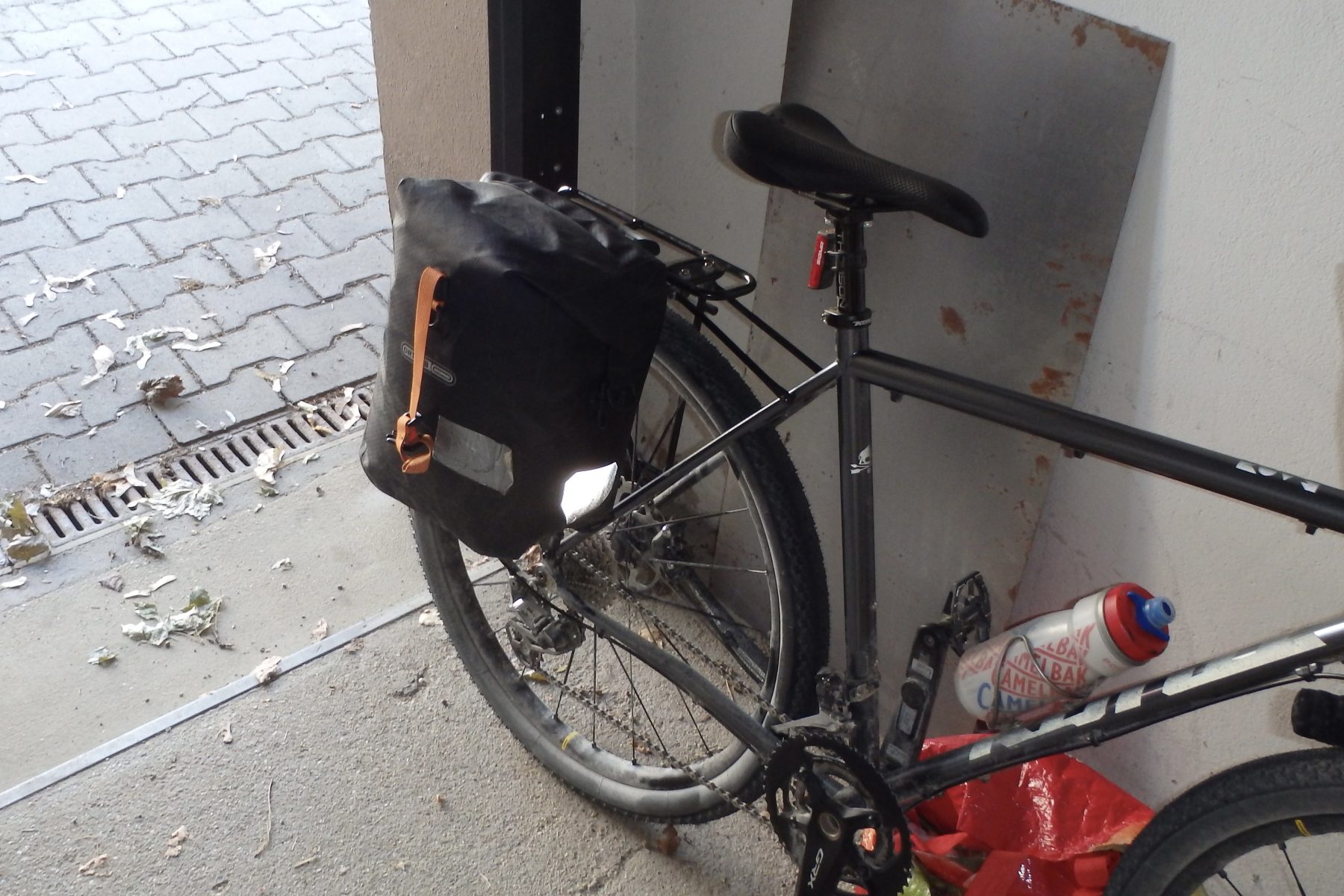
    Ich packte alles in die Fahrradtasche und ging hinunter in die Garage. Nachdem wir einen Gepรคcktrรคger รผber dem Hinterrad montiert hatten, befestigte Marco die Tasche daran. Sie war immer noch angenehm schwer, doch bei einer kurzen Probefahrt merkte ich kaum einen Unterschied. Es fรผhlte sich an, als hรคtte sich etwas gelรถst, das jahrelang schwer in mir gelegen hatte. Ich fragte mich, ob die Menschen wohl etwas ร„hnliches empfunden hatten, als sie zum ersten Mal einem Kamel ihr Gepรคck auf den Rรผcken luden. Zum ersten Mal konnte ich fast alles mitnehmen, was ich brauchte, ohne das Gewicht auf meinen Schultern zu tragen. Mit freiem Rรผcken loszufahren war ein vรถllig anderes Gefรผhl, als eine Tasche einfach auf den Beifahrersitz zu werfen.

    An der Donau angekommen, holte ich die Picknickdecke, mein Tagebuch, Stifte und Bรผcher aus der Fahrradtasche. Sogar fรผr das Buch, das Marco mitgebracht hatte, war noch Platz. Jetzt konnte ich รผberallhin fahren, ohne etwas Wichtiges zurรผcklassen zu mรผssen. Nach dem Schwimmen lagen wir auf der Decke und lasen eine Weile zusammen. Danach setzte ich mich auf und schrieb mein Tagebuch zu Ende. Es machte mich auf eine stille Weise glรผcklich zu merken, dass ich mein Leben nicht lรคnger kleiner machen musste, nur um es festhalten zu kรถnnen. Eine einzige Fahrradtasche hatte weit mehr erleichtert als nur mein Gepรคck. Ich glaube, ich wurde auch in Zukunft lieber meine Umgebung verรคndern, als auf das Leben zu verzichten, das ich festhalten mรถchte.

    *Auch verfรผgbar auf:

    *Weiterlesen:

  • Ready for Chance

    Ready for Chance

    Pack mule. Donkey. Those were the nicknames I gradually picked up because my bag was always so heavy. I don’t carry makeup, but I never leave home without a journal, pens, a camera, and a book. Once I start adding extra lenses, even my shoulder bag becomes almost too heavy to carry. People could be forgiven for wondering if I had a hammer hidden inside. After fifteen years of carrying it everywhere, even my shoulders and spine have slowly begun to take on its weight.

    I don’t particularly enjoy carrying such a heavy bag. On days when I have to walk for hours, or when the summer heat makes even standing still exhausting, it feels like a cross I’ve chosen to carry. Yet after fifteen years, I’ve come to realize something: if I don’t have those things with me when the right moment arrives, I regret it far more than the weight itself. Somewhere along the way, one belief became a guiding principle in my life: you never know what moment is about the unfold.

    Of course, it’s impossible to carry every tool I might need. Instead of bringing less, I’ve tried to make each item lighter. What I pack depends on where the day is taking me. For important projects, I carry my Fujifilm X-Pro2 along with a selection of lenses. For everyday life, I usually bring my Canon V1. And on days built around cycling, swimming, or other outdoor activities, I reach for my tiny but remarkably capable Olympus TG-830.

    It was a Saturday morning. Marco and I decided to take bicycles out for the first time in weeks and ride down to the river for a swim. But as I packed one thing after another, my bag grew heavier by the minute. Marco is the complete opposite of me โŽฏ he moves through the world lightly, carrying only what he needs. As I stood there wondering what I could leave behind, I suddenly remembered the pannier bags hanging from his bicycle when we first met in South Korea. They had travelled all across Korea and Japan before quietly retiring to our wardrobe, where they had been waiting all this time.

    I transferred everything into the pannier bag and headed down to the garage. After installing a rear rack on the bike, Marco clipped the bag into place. They were still pleasantly heavy, but when I took the bike for a short test ride, they hardly affected the ride at all. It felt as though something that had been sitting heavily inside me for years had finally lifted. I wondered if this was what people had felt when they first learned to load their belongings onto the back of a camel. I could bring almost everything I wanted without carrying the weight on my shoulder. Riding away with my back free felt entirely different from simply tossing a bag onto the passenger seat of a car.

    When we arrived at the Danube, I unpacked my outdoor mat, journal, pens, and books from the pannier bag. There was even room for the book Marco had brought along. Now I could go anywhere without having to leave anything important behind. After our swim, we lay on the mat and spent some time reading together. Then I sat up and finished writing in my journal. It made me unexpectedly happy to realize that I no longer had to scale down the way I wanted to live and record the world. A simple pannier bag had made far more than my luggage feel lighter. I think I’ll always choose to adapt my surroundings rather than give up the life I want to record.

    *Read in other languages:

    *Continue reading:

  • ์šฐ์—ฐ์„ ๋งž์ดํ•  ์ค€๋น„

    ์šฐ์—ฐ์„ ๋งž์ดํ•  ์ค€๋น„

    ๋ณด๋ถ€์ƒ, ๋‹น๋‚˜๊ท€. ๊ฐ€๋ฐฉ์ด ํ•˜๋„ ๋ฌด๊ฑฐ์›Œ์„œ ํ•˜๋‚˜์”ฉ ๋ถ™๊ธฐ ์‹œ์ž‘ํ•œ ๋ณ„๋ช…์ด๋‹ค. ๋“ค๊ณ  ๋‹ค๋‹ˆ๋Š” ํ™”์žฅํ’ˆ์€ ์—†์ง€๋งŒ ์ผ๊ธฐ์žฅ๊ณผ ํ•„๊ธฐ๋„๊ตฌ, ์นด๋ฉ”๋ผ, ์ฑ…์€ ํ•„์ˆ˜๋กœ ์ฑ™๊ธด๋‹ค. ๋ Œ์ฆˆ๊นŒ์ง€ ์—ฌ๋Ÿฌ ๊ฐœ ๋„ฃ๋‹ค ๋ณด๋ฉด ์ˆ„๋”๋ฐฑ์œผ๋กœ๋Š” ๊ฐ๋‹นํ•˜๊ธฐ๊ฐ€ ์กฐ๊ธˆ ๋ฒ„๊ฑฐ์šธ ์ •๋„๋กœ ๋ฌด๊ฑฐ์›Œ์ง„๋‹ค. ๊ฐ€๋ฐฉ์— ๋ง์น˜ ๋„ฃ์–ด๋‘” ๊ฑฐ ์•„๋‹ˆ๋ƒ๋Š” ์˜คํ•ด๊ฐ€ ์ƒ๊ธธ ๋งŒ๋„. ๊ทธ๋Ÿฐ ์„ธ์›”์ด 15๋…„ ์ •๋„ ์Œ“์ด๋‹ค ๋ณด๋‹ˆ ์–ด๊นจ์™€ ์ฒ™์ถ”๋„ ๊ทธ ๋ฌด๊ฒŒ๋ฅผ ๋‹ฎ์•„ ๊ฐ”๋‹ค.

    ๋‚˜๋„ ์ด๋ ‡๊ฒŒ ๋ฌด๊ฑฐ์šด ๊ฐ€๋ฐฉ์ด ๋‹ฌ๊ฐ‘์ง€ ์•Š๋‹ค. ๋งŽ์ด ๊ฑธ์–ด์•ผ ํ•˜๋Š” ๋‚ ์ด๋‚˜ ๊ฐ€๋งŒํžˆ ์„œ ์žˆ๊ธฐ๋„ ํž˜๋“  ๋ฌด๋”์šด ๋‚ ์—๋Š” ์ด ๊ฐ€๋ฐฉ์ด ์Šค์Šค๋กœ ์งŠ์–ด์ง€๋Š” ์‹ญ์ž๊ฐ€๊ฐ€ ๋œ๋‹ค. ๊ทธ๋Ÿฌ๋‚˜ 15๋…„์„ ๊ฒช์œผ๋ฉด์„œ ์•Œ๊ฒŒ ๋œ ๊ฑด, ํ•„์š”ํ•œ ์ˆœ๊ฐ„ ์†Œ์ง€ํ•˜๊ณ  ์žˆ์ง€ ์•Š์œผ๋ฉด ์†์ด ์ƒํ•  ์ •๋„๋กœ ์•„์‰ฌ์šด ๋ฌผ๊ฑด์ด๋ผ๋Š” ๊ฒƒ. ‘์–ธ์ œ ์–ด๋–ค ์ˆœ๊ฐ„์ด ํŽผ์ณ์งˆ์ง€ ๋ชจ๋ฅธ๋‹ค’๋Š” ๊ฒŒ ๋‚ด ์‚ถ์„ ํ›‘๋Š” ๊ฑฐ๋Œ€ํ•œ ์ง„๋ฆฌ๊ฐ€ ๋˜์—ˆ๋‹ค.

    ๋ฌผ๋ก  ๋ชจ๋“  ๊ธฐ๋ก ๋„๊ตฌ๋ฅผ ์™„๋ฒฝํ•˜๊ฒŒ ๊ฐ€์ง€๊ณ  ๋‹ค๋‹ ์ˆ˜๋Š” ์—†๋‹ค. ๋Œ€์‹  ์ข…๋ชฉ์€ ์ค„์ผ ์ˆ˜ ์—†์–ด๋„ ๊ฐ ์ข…๋ชฉ๋ณ„ ๋ฌด๊ฒŒ๋Š” ์ค„์—ฌ ๋ณด๊ณ ์ž ๋…ธ๋ ฅํ–ˆ๋‹ค. ๊ทธ๋‚ ์˜ ๋ชฉ์ ์— ๋”ฐ๋ผ ๋‚ด์šฉ๋ฌผ์˜ ์กฐํ•ฉ๋„ ๋‹ฌ๋ผ์ง€๋Š” ๊ฒƒ์ด๋‹ค. ์˜ˆ๋ฅผ ๋“ค๋ฉด ์ค‘์š”ํ•œ ์ž‘์—…์„ ํ•  ๋•Œ๋Š” ํ›„์ง€ํ•„๋ฆ„ X-Pro2์™€ ๋ Œ์ฆˆ๋“ค์„, ์ผ์ƒ ์ƒํ™œ ์ค‘์—๋Š” ์บ๋…ผ V1์„, ์Šคํฌ์ธ ์— ์ง‘์ค‘ํ•˜๋Š” ๋‚ ์—๋Š” ์ž‘๊ณ  ๊ฐ€๋ฒผ์šด ๋ฌด์ ์˜ ๋””์ง€ํ„ธ์นด๋ฉ”๋ผ ์˜ฌ๋ฆผํ‘ธ์Šค TG-830์„ ์ฑ™๊ธฐ๋Š” ์‹์ด๋‹ค.

    ํ† ์š”์ผ ์˜ค์ „. 6์›” ๋‚ด๋‚ด ํƒ€์ง€ ๋ชปํ–ˆ๋˜ ์ž์ „๊ฑฐ๋ฅผ ์˜ค๋žœ๋งŒ์— ํƒ€๊ณ  ๋‚˜๊ฐ€์„œ ๊ฐ•์—์„œ ์ˆ˜์˜์„ ํ•˜๊ณ  ์˜ค๊ธฐ๋กœ ํ–ˆ๋‹ค. ํ•˜์ง€๋งŒ ์ด๊ฒƒ์ €๊ฒƒ ์ฑ™๊ธฐ๋‹ค ๋ณด๋‹ˆ ์ ์  ๋ฌด๊ฑฐ์›Œ์ง€๋Š” ๊ฐ€๋ฐฉ์ด ๋ฌธ์ œ์˜€๋‹ค. ๋งˆ๋ฅด์ฝ”๋Š” ๋‚˜์™€๋Š” ์ •๋ฐ˜๋Œ€๋กœ ๊ฐ„๋‹จํžˆ, ๊ฐ€๋ณ๊ฒŒ ์›€์ง์ด๋Š” ์Šคํƒ€์ผ์ด๋‹ค. ๋ญ˜ ๋นผ๋†“๊ณ  ๊ฐ€์•ผ ํ•˜๋‚˜ ๊ณ ๋ฏผํ•˜๋‹ค๊ฐ€ ๋ฌธ๋“ ์ฒ˜์Œ ํ•œ๊ตญ์—์„œ ๋งˆ๋ฅด์ฝ”๋ฅผ ๋งŒ๋‚ฌ์„ ๋•Œ ๊ทธ์˜ ์ž์ „๊ฑฐ ์˜†์— ์ฃผ๋ ์ฃผ๋  ๊ฑธ๋ ค ์žˆ๋˜ ๊ฐ€๋ฐฉ๋“ค์ด ์ƒ๊ฐ๋‚ฌ๋‹ค. ํ•œ๊ตญ๊ณผ ์ผ๋ณธ์„ ๋ˆ„๋ณ๋˜ ๊ฐ€๋ฐฉ์ด ์˜ท์žฅ ์†์—์„œ ๊ฐ€๋งŒํžˆ ๋†€๊ณ ๋งŒ ์žˆ์—ˆ๋‹ค.

    ์ฑ™๊ธฐ๋˜ ์ง์„ ํ†ต์งธ๋กœ ์ž์ „๊ฑฐ ๊ฐ€๋ฐฉ์— ๋„ฃ๊ณ  ์ฐจ๊ณ ๋กœ ๋‚ด๋ ค๊ฐ”๋‹ค. ์ž์ „๊ฑฐ ๊ฐ€๋ฐฉ์„ ๋‹ฌ๊ธฐ ์œ„ํ•ด ๋’ท๋ฐ”ํ€ด ์œ„์— ๋ž™์„ ์„ค์น˜ํ–ˆ๋‹ค. ๊ฐ€๋ฐฉ์€ ๊ฝค ๋ฌต์งํ–ˆ๋Š”๋ฐ ์‹œ๋ฒ” ์šดํ–‰์„ ํ–ˆ์„ ๋•Œ ์šด์ „์— ๋ถˆํŽธํ•จ์€ ์—†์—ˆ๋‹ค. ์˜ค๋žœ ์ฒด์ฆ์ด ์‘ฅ ๋‚ด๋ ค๊ฐ€๋Š” ๊ฒƒ ๊ฐ™์•˜๋‹ค. ์˜›๋‚  ์‚ฌ๋žŒ๋“ค์ด ์ฒ˜์Œ ๋‚™ํƒ€๋ฅผ ๊ธธ๋“ค์—ฌ ์ง์„ ๋“ฑ์— ์˜ฌ๋ ธ์„ ๋•Œ๋„ ์ด๋Ÿฐ ๊ธฐ๋ถ„์ด์—ˆ์„๊นŒ. ํ•„์š”ํ•œ ๋ฌผํ’ˆ์„ ๊ฑฐ์˜ ๋‹ค ์ฑ™๊ฒผ๋Š”๋ฐ๋„ ์–ด๊นจ์™€ ๋“ฑ์€ ์‹œ์›ํ•œ ๋ฐ”๋žŒ์œผ๋กœ ๊ฐ€๋“ํ•˜๋‹ค. ์šด์ „์„์— ์•‰์•˜์„ ๋•Œ ์กฐ์ˆ˜์„์— ๊ฐ€๋ฐฉ์„ ๋˜์ ธ ๋†“๋Š” ๊ฒƒ๊ณผ๋Š” ์ฐจ์›์ด ๋‹ค๋ฅธ ๊ฐ๋™์ด๋‹ค.

    ๋„๋‚˜์šฐ๊ฐ•์— ๋„์ฐฉํ•ด ์ž์ „๊ฑฐ ๊ฐ€๋ฐฉ์—์„œ ์•ผ์™ธ์šฉ ๋งคํŠธ์™€ ์ผ๊ธฐ์žฅ, ํ•„๊ธฐ๋„๊ตฌ, ์ฑ…์„ ๊บผ๋ƒˆ๋‹ค. ์‹ฌ์ง€์–ด ๋งˆ๋ฅด์ฝ”๊ฐ€ ์ฝ์„ ์ฑ…๊นŒ์ง€ ๋‹ค ๋„ฃ๊ณ  ์ด์ œ ์–ด๋””๋“  ์›€์ง์ผ ์ˆ˜ ์žˆ๋‹ค. ์ˆ˜์˜์„ ํ•œ ํ›„ ๋งคํŠธ์— ๋ˆ„์›Œ ๋„๋ž€๋„๋ž€ ๋…์„œ ์‹œ๊ฐ„์„ ๊ฐ€์ง€๋‹ค๊ฐ€ ์ผ์–ด๋‚˜ ์•‰์•„ ์ผ๊ธฐ๋ฅผ ๋งˆ์ € ์ผ๋‹ค. ๊ธฐ๋กํ•˜๋Š” ์‚ถ์„ ์ถ•์†Œํ•˜์ง€ ์•Š๊ณ  ์˜จ์ „ํžˆ ๋ˆ„๋ฆด ๋ฐฉ์•ˆ์ด ๋งˆ๋ จ๋˜์–ด ๋ฌด์ฒ™ ํ–‰๋ณตํ•˜๋‹ค. ์ž์ „๊ฑฐ ๊ฐ€๋ฐฉ ํ•˜๋‚˜๊ฐ€ ๊ฝค ๋งŽ์€ ๊ฒƒ์„ ๊ฐ€๋ณ๊ฒŒ ๋งŒ๋“ค์—ˆ๋‹ค. ์•„๋งˆ ์•ž์œผ๋กœ๋„ ๋‚˜๋Š”, ๊ธฐ๋ก์„ ํฌ๊ธฐํ•˜๊ธฐ๋ณด๋‹ค ๊ธฐ๋กํ•  ์ˆ˜ ์žˆ๋Š” ํ™˜๊ฒฝ์„ ์–ด๋–ป๊ฒŒ๋“  ๋งŒ๋“ค์–ด ๊ฐ€๋ฉฐ ์‚ด์•„๊ฐˆ ๊ฒƒ์ด๋‹ค.

    *๋‹ค๋ฅธ ์–ธ์–ด๋กœ ์ฝ๊ธฐ:

    *๋‹ค์Œ ๊ธ€:

  • Luftwurzeln schlagen

    Luftwurzeln schlagen

    Ein Flugzeug hebt ab. Kurz vor dem Ziel zwingen heftige Winde es zur Umkehr. Es setzt immer wieder zum Landeanflug an, schafft es aber nicht und bleibt ein ganzes Jahr lang in der Luft. Vielleicht ist das ein etwas extremer Vergleich. Rรผckblickend kommt er meiner Situation dennoch ziemlich nahe.

    In ein anderes Land auszuwandern fรผhlt sich an, als wรผrde man die Bรผhne eines Theaterstรผcks von Grund auf neu gestalten und selbst den letzten Strohhalm austauschen. Wรคhrend ich mein berggroรŸes Leben 9.000 Kilometer von Sรผdkorea nach Deutschland trug, hing auch mein Alltag vollstรคndig in der Luft. Zwei Hochzeiten โŽฏ eine im Sommer, eine im Winter โŽฏ waren fรผr sich genommen schon alles andere als gewรถhnlich. Dann verschlechterte sich der Gesundheitszustand meiner Mutter infolge einer Lungenentzรผndung vรถllig unerwartet, und schlieรŸlich folgte das Unfassbare: ihre Beerdigung. Irgendwie hielt ich einen Geist zusammen, der immer wieder auseinanderzufallen drohte, bis ich mich eines Tages im nรคchsten Sommer wiederfand.

    Im vergangenen Juli kam ich nach Deutschland und heiratete. Im November feierten wir unsere Hochzeit in Korea. Von Dezember bis Februar war es die Zeit, in der ich meine Mutter verlor. Im Mรคrz kehrte ich nach Deutschland zurรผck und kรผmmerte mich um alles, was fรผr ein Leben hier notwendig war. Vor kurzem endete der erste einmonatige Deutschlandbesuch meines Vaters. Die letzte Juniwoche verbrachte ich in einer drรผckenden Hitzewelle. Dann verging ein Jahr, und der Juli kehrte zurรผck.

    Ich wollte unbedingt ankommen. Trotzdem fiel es mir schwer, meine Gedanken lange genug an einem Ort zu halten, um mich auf etwas wirklich einzulassen. An den Tagen, an denen meine Stimmung sank, tauchte in meinem Tagebuch immer wieder derselbe Satz auf: weder hier noch dort. Wie sehr ich mir wรผnschte, mich in mich selbst zurรผckzuziehen, eine Antwort zu finden und mit ihr wieder hervorzukommen.

    Nach fast einem Jahr begann diese Ungewissheit, sich in Unruhe und Frustration zu verwandeln. Bevor dieses Verlangen in alle Richtungen auseinanderfiel, war der Moment gekommen, endlich auf das zu hรถren, worum meine Seele mich schon lange bat. Ich lieรŸ meine Finger wie Luftwurzeln auf der Schreibmaschine nieder. Auch an einem Schreibtisch lรคsst sich ein Leben fรผhren, das einem Festival an Lebendigkeit in nichts nachsteht.

    Bevor eine Pflanze Wurzeln schlagen kann, braucht sie einen Boden. Fรผr den Menschen sind Wurzeln ein Gefรผhl von Halt. Es wรคchst aus kรถrperlicher Kraft und aus der Wiederholung des Alltags. Die Ordnung des tรคglichen Lebens und die Struktur der eigenen Arbeit werden zu einem festen Boden. Auf diesem Fundament wรผnsche ich mir ein Leben, das durch Begegnungen, Zufรคlle und unerwartete Ereignisse immer wieder neue Formen annimmt.

    Gibt es einen Weg, gleichzeitig in Deutschland und Korea zu leben โŽฏ oder vielleicht auch an jedem anderen Ort? Was auch immer ich einmal tun werde, ich mรถchte mein Leben so gestalten, dass es mir mรถglichst viel Halt und zugleich mรถglichst viel Beweglichkeit gibt. Ich mรถchte ein Baum werden, der sich mitsamt einem Stรผck Erde, in dem er Wurzeln geschlagen hat, an einen anderen Ort bewegen kann.

    Ein neues Leben zeigt seinen frischen Kรถrper. <Wer bist du?>, <Was fรผr ein Mensch bist du?> Diese Fragen hรถre ich hier immer wieder. In dieser fremden Welt scheint selbst das, was so lange selbstverstรคndlich war, bis in die kleinsten Winkel zurรผckgesetzt zu sein, sodass ich es nie erklรคren musste.

    Welchen Ausdruck mรถchte ich meinem Gesicht geben? Welche Kleidung mรถchte ich tragen? Welche Rolle mรถchte ich einnehmen? Alles liegt in meiner Hand. Ich kann meine Identitรคt neu entwerfen oder sie noch feiner ausarbeiten. Vor dieser รผberwรคltigenden Leerstelle frage ich mich: Mit welchen Eigenschaften mรถchte ich sie fรผllen?

    *Auch verfรผgbar auf:

    *Weiterlesen:

  • Putting Down Aerial Roots

    Putting Down Aerial Roots

    A plane leaves the runway, only to be forced back by fierce crosswinds at its destination. It circles overhead, attempting to land again and again, yet never quite makes it to the ground. If I were to stretch the comparison, that plane would not be so different from where I found myself over the past year.

    Moving to another country feels a little like rebuilding the stage of a play from the ground up, replacing every last piece of the set. As I carried a mountain of a life 9,000 kilometers from South Korea to Germany, my everyday life seemed to lose the ground beneath it, suspended somewhere in midair. Two weddings โŽฏ one in summer, the other in winter โŽฏ would have been enough on their own. Then my mother’s pneumonia took an unexpected turn, followed by the unimaginable reality of her funeral. Somehow, I held together a mind that kept slipping through my hands, and found myself standing in another summer.

    Last July, I arrived in Germany and got married. In November, we held another wedding in Korea. From December through February, I lived through the slow loss of my mother. In March, I returned to Germany and began putting the practical pieces of life here into place. More recently, my father’s first month-long visit to Germany came to an end, and I made my way through the final week of June under an unforgiving heatwave. By the time another July arrived, a full year had quietly passed.

    More than anything, I wanted to put down roots. Yet I found it difficult to hold my mind still long enough to lose myself in anything. On the days when my spirits sank, one phrase kept appearing in my journal: neither here nor there. I longed to retreat into myself, to search for an answer, and to return with it.

    After nearly a year, anxiety and frustration began to burn through me like a torch. Before that longing could splinter, it was finally time to do what my soul and unconscious had been asking of me all along. I lowered my fingers onto the typewriter like aerial roots reaching for the earth. A life at a desk can be every bit as alive as one on a festival dance floor.

    Before a plant can put down roots, it first needs soil. For people, roots begin with a sense of stability. That quiet steadiness grows out of physical strength and the repetition of everyday life. The structure of daily living and the framework of one’s work become the ground beneath our feet. From there, I hope my life will continue to take on unexpected forms through chance encounters, unforeseen turns, and all the small accidents in between.

    Is there a way to belong to Germany and Korea at the same time, or perhaps to anywhere else as well? Whatever work I end up doing, I want to build a life that offers as much stability and as much freedom to move as possible. I want to become a tree that can carry a piece of the earth it has rooted itself in, wherever it goes.

    A new life begins to reveal its fresh body. <Who are you?>, <What kind of person are you?> These are the questions people keep asking me here. In this unfamiliar world, even the parts of myself that had become so natural I never thought to explain them seem to have been reset, down to the smallest corners.

    What expression will I wear? What clothes will I choose? What role will I step into? All of it is mine to decide. Here, I can shape my identity however I wish, or refine it into something even more precise. Standing before this overwhelming blank space, I find myself asking one question: What qualities do I want to fill it with?

    *Read in other languages:

    *Continue reading: